

High Capacity Animal Feed Mill Plant 5-10 Ton/h Poultry & Livestock Feed Pellet Manufacturing Line
Feed line for poultry, livestock & aquatic species. Ring die & high-temp sterilization. Hard pellets. Improves FCR and palatability.
Automatic 5-10 t/h feed equipment. Only 4-5 operators. Precision batching ensures consistent nutrition.
Commercial feed solution for farm & custom use. Integrates crushing, mixing, pelleting, cooling. Cuts costs, short ROI.
The 5-10 Ton/h High Capacity Animal Feed Mill Plant is a complete, fully integrated production line designed for medium-to-large commercial feed manufacturing operations. This turnkey solution transforms raw ingredients into high-quality, uniform feed pellets for poultry, livestock, and aquatic species, delivering consistent output with minimal manual intervention.
Whether you are operating a large-scale poultry farm (100,000+ birds), a commercial feed processing business, or a livestock operation with daily feed demands exceeding 5 tons, this production line offers the capacity, reliability, and automation needed to meet modern production requirements
Specifications
| Parameter | Specification |
|---|---|
| Production Capacity | 5 – 10 tons per hour |
| Pellet Size Range | 1 – 12 mm (adjustable) |
| Applicable Animals | Poultry (chickens, ducks), Livestock (pigs, cattle, sheep), Aquaculture (fish, shrimp), Rabbits, Pigeons |
| Workers Required | 4 – 5 operators per shift |
| Automation Level | PLC-controlled, fully automatic batching and mixing system |
| Shipping Requirement | Approximately 5 × 40ft containers |
Applications
Poultry Farming Operations
Broiler and Layer Chicken Farms — This production line is ideal for poultry farms housing 80,000–150,000 broilers or 50,000–100,000 layers. The system produces 3.2 mm pellets that maximize feed conversion rates, promote rapid weight gain in broilers, and support consistent egg production in layers. Pelleted feed reduces selective feeding, ensuring every bird receives complete nutrition.
Duck Farms — Produces specialized feed formulations for meat and egg ducks, with adjustable pellet sizes to accommodate different growth stages from starter to finisher.
Livestock Production
Pig Farms — For operations with 3,000–6,000 finishing pigs or large farrow-to-finish facilities, this line delivers feed for all production stages: piglet starter feeds (smaller pellets), grower rations, and finisher diets for market hogs. Pelleted swine feed improves digestibility, reduces feed wastage, and enhances average daily gain (ADG).
Cattle and Sheep Operations — Produces 4.5–8.0 mm pellets for feedlot cattle, dairy herds, and sheep farms. The line processes both grain-based concentrates and roughage-inclusive rations, supporting high-forage diets common in ruminant production.
Aquaculture and Specialty Feed Production
Fish Farms — Floating and sinking feed pellets for tilapia, catfish, carp, trout, and other commercial fish species. The 1.0–3.0 mm pellet range accommodates fry, fingerling, and grow-out stages. Floating pellets allow farmers to monitor feeding activity and reduce water pollution from uneaten feed.
Shrimp Farming — Produces 1.0–3.5 mm pellets with proper water stability (minimum 2 hours in water), formulated to meet the specific nutritional requirements of penaeid shrimp species.
Commercial Feed Manufacturing Businesses
Independent Feed Mills — Entrepreneurs and agribusinesses can operate this line as a standalone commercial feed manufacturing facility, producing and selling bagged or bulk pellets to surrounding farms. With a 10-hour daily operation, annual production reaches 18,000–36,000 tons — sufficient to serve a substantial customer base across multiple agricultural regions.
Contract Manufacturing — The line supports custom mixing and pelletizing services for farmers who supply their own grain and want tailored rations produced under contract.
Integrated Agricultural Operations
Large-Scale Integrated Farms — Operations that combine crop production with livestock production benefit from on-site feed processing, reducing dependence on commercial feed suppliers and capturing value from home-grown grains and crop residues.
Animal Feed Cooperatives — Farmer cooperatives can centralize feed production, achieving economies of scale while providing members with custom-mixed rations at competitive prices.
Specialized Diet Production
Premix and Supplement Manufacturing — The line can produce medicated premixes and vitamin-mineral supplement pellets at controlled inclusion rates, ensuring uniform distribution of active ingredients critical for herd health programs.
Heat-Sensitive Ingredient Processing — The system's adjustable conditioning temperature and optional post-pelleting liquid application systems allow for production of pellets containing heat-labile enzymes, probiotics, and other sensitive bio-active components that would otherwise degrade during standard pelleting.
Complete Production Process
The production line follows a systematic flow to ensure optimal pellet quality and production efficiency:
Raw Material Receiving & Cleaning – Bucket elevators transport raw materials (corn, soybean meal, grains, straw) through cleaning systems that remove impurities and metals via magnetic separators and scalpers.
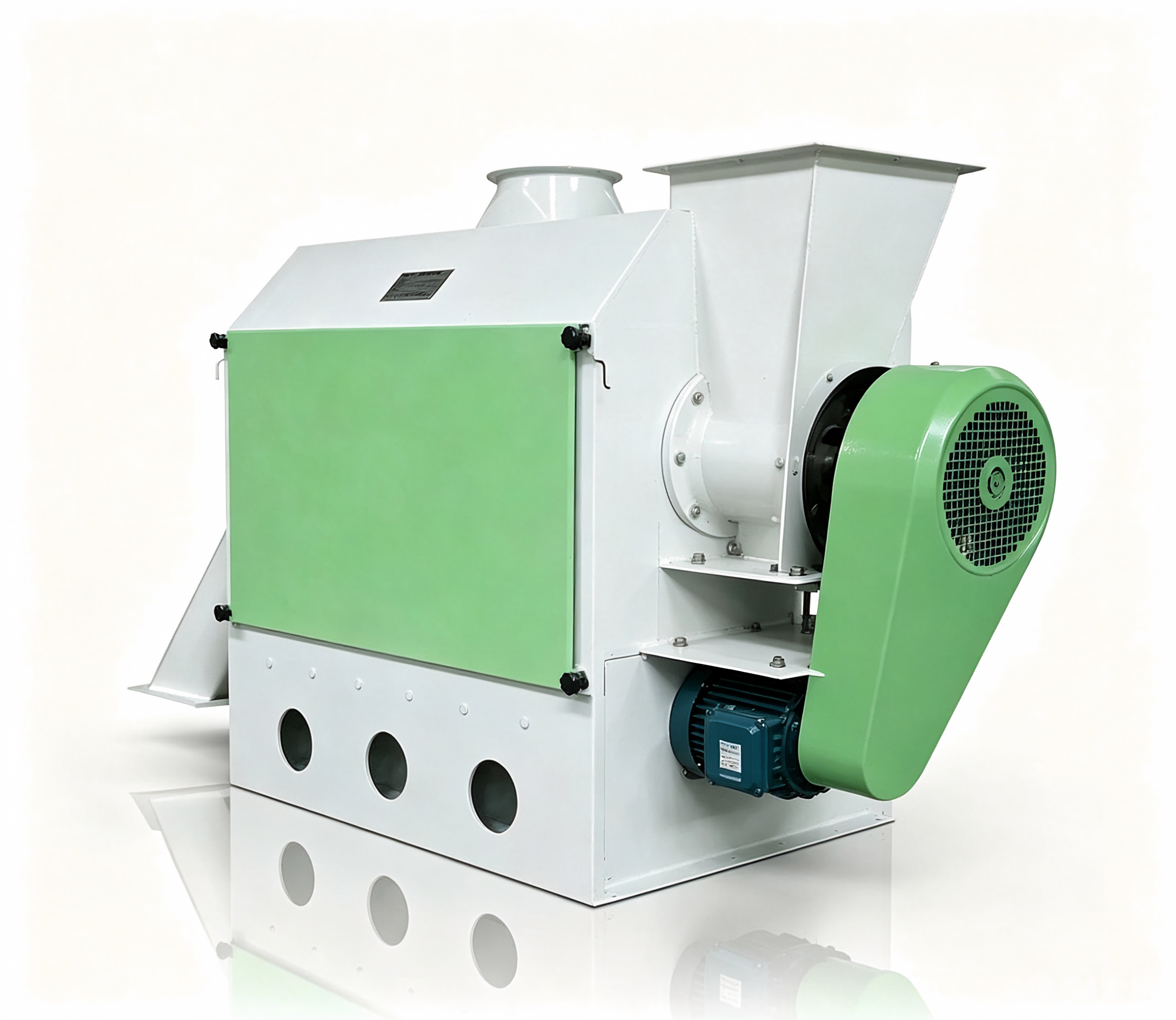
Grinding (Crushing) System – Hammer mills crush raw materials into fine powder, achieving the ideal particle size for efficient pellet pressing. This stage is critical for feed digestibility and pellet durability.
Automatic Batching & Weighing – An intelligent distribution system accurately weighs and proportions 8–12 different raw material types according to customized feed recipes, ensuring nutritional consistency across every batch.
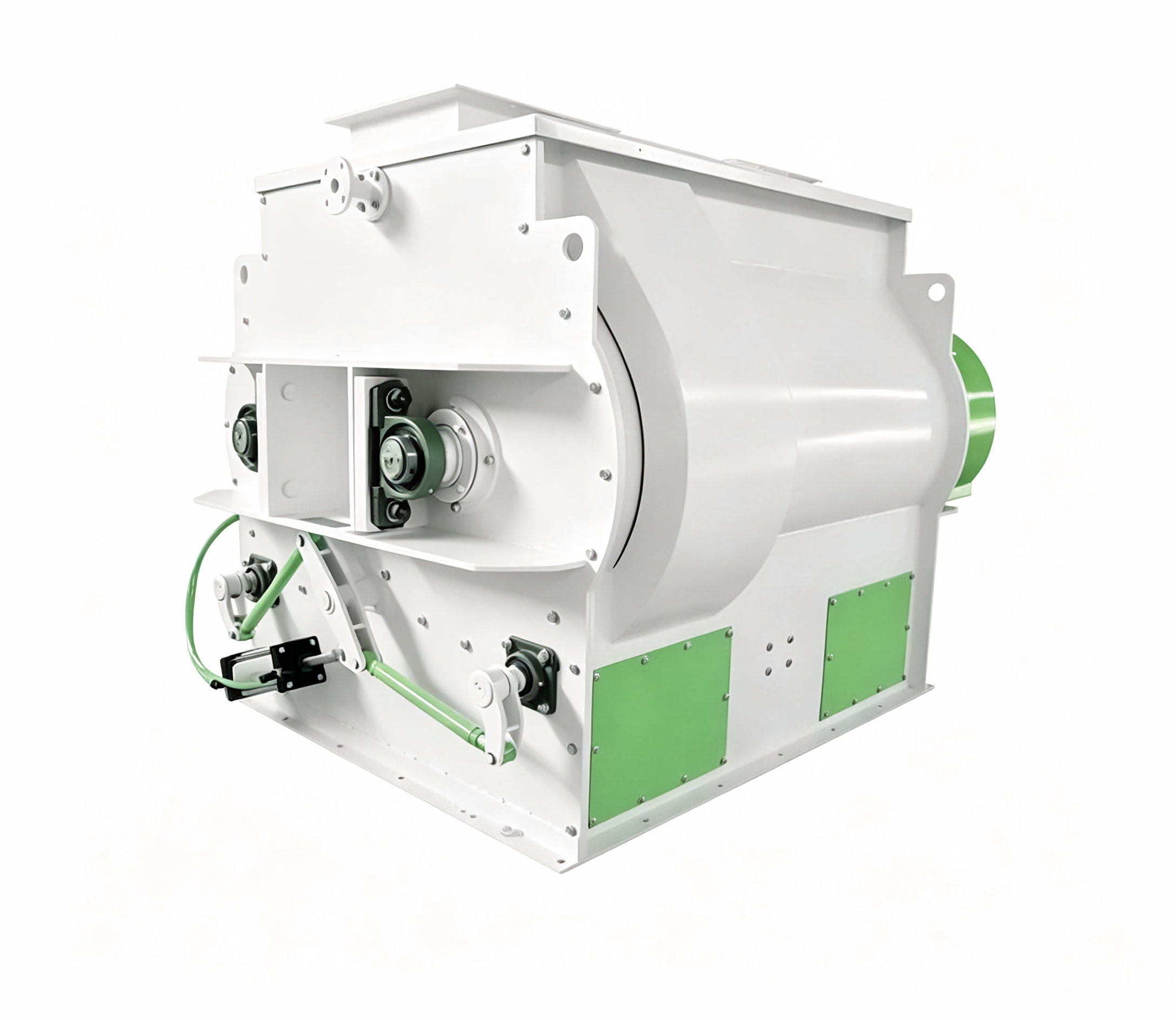
Mixing System – Horizontal or vertical mixers blend crushed materials with additives, vitamins, and minerals to achieve uniform distribution of nutrients throughout the feed formula.
Pelleting (Core Equipment) – The ring die pellet press is the heart of the production line. It compresses mixed feed powder into dense, durable pellets under high pressure and temperature. The main motor power typically ranges from 55–90 kW for this capacity range.
Cooling System – Hot pellets exiting the pellet mill (temperatures can exceed 80°C) pass through a counterflow cooler. Proper cooling prevents pellet deformation, reduces moisture content, and inhibits mold growth during storage.
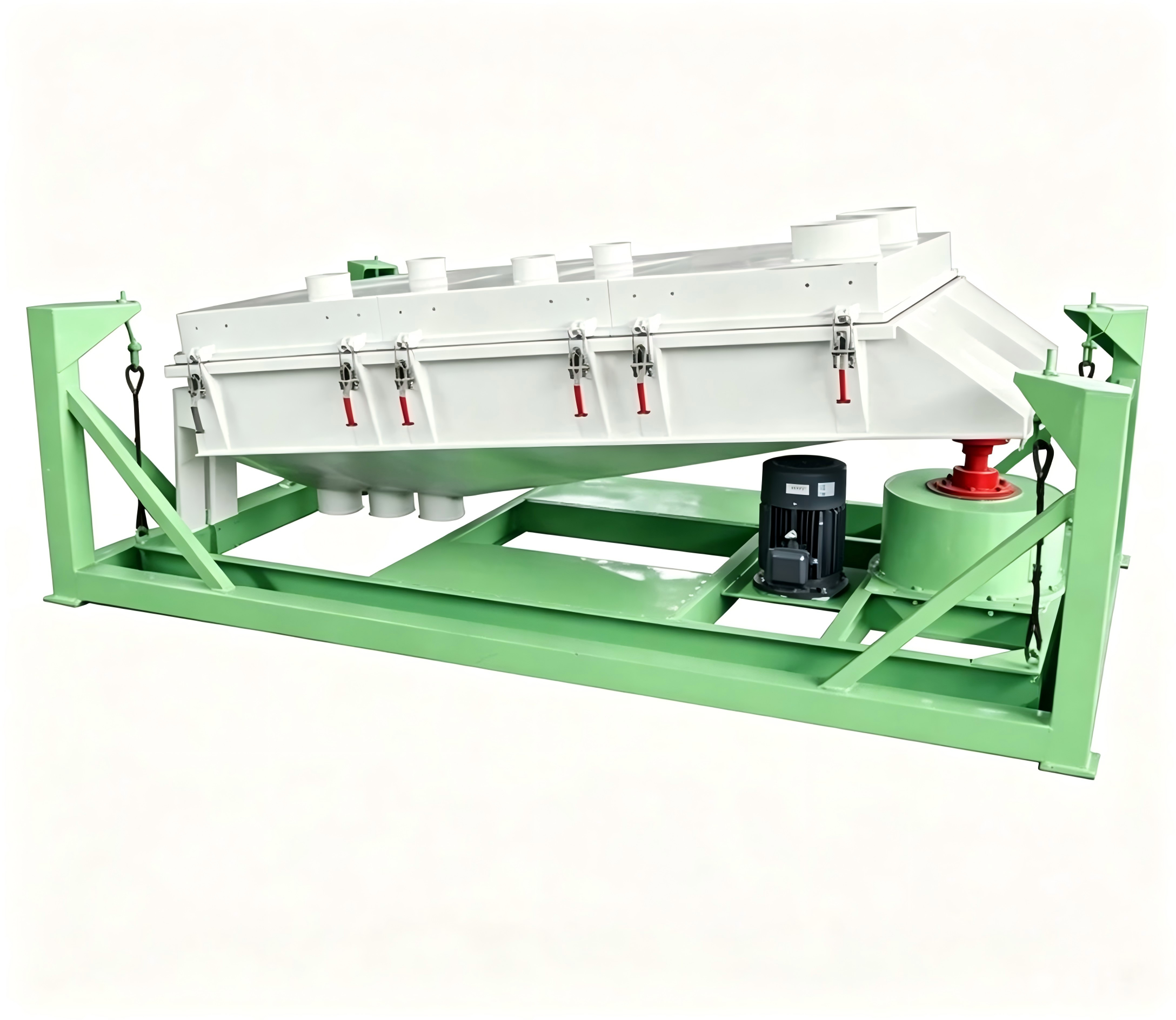
Screening (Sifting) – Screens separate finished pellets from fines and broken particles. Unqualified materials are recycled back into the system, improving yield and product uniformity.
Packaging System – Optional automatic weighing and bagging equipment packages finished pellets for commercial sale or storage. Belt conveyors and sewing machines complete the packaging line.
Advantages
Reduced Feed Wastage – Pelleted feed minimizes ingredient segregation and selective feeding, ensuring animals consume a nutritionally balanced diet. Feed conversion rates improve significantly.
Enhanced Palatability – The pelleting process gelatinizes starches and improves flavor, making feed more appealing to animals.
Pathogen Destruction – High-temperature conditioning during pelleting destroys harmful pathogenic organisms, contributing to improved animal health and biosecurity.
Efficient Storage & Transport – Uniform pellets have higher bulk density than powder, reducing storage space requirements and transportation costs.
Labor Savings – The fully automated PLC control system minimizes manual labor requirements, with just 4–5 operators needed per shift. This significantly reduces labor costs compared to conventional feed preparation methods.
Recommended Pellet Sizes by Animal Type
| Animal | Recommended Pellet Diameter |
|---|---|
| Chickens | 3.2 mm |
| Pigs | 3.5 – 6.5 mm |
| Cattle / Sheep | 4.5 – 8.0 mm |
| Fish | 1.0 – 3.0 mm |
| Shrimp | 1.0 – 3.5 mm |
Configuration (Standard 5-10 t/h Line)
| Equipment Component | Function |
|---|---|
| Hammer Mill (Crushing) | Grinds raw materials to powder |
| Automatic Batching Scale | Weighs and proportions ingredients |
| Horizontal/Vertical Mixer | Blends ingredients uniformly |
| Ring Die Pellet Mill | Compresses powder into pellets |
| Counterflow Cooler | Cools pellets and reduces moisture |
| Vibrating Screener | Separates fines from finished pellets |
| Automatic Packing Scale | Weighs and bags finished product |
| PLC Control Panel | Centralized automation control |
FAQ
Q1: What capacity should I choose for my farm?
A: Capacity selection depends on your daily feed demand. For medium-scale farms with daily consumption of 5–10 tons, a 3–5 t/h line may suffice if operating a single shift. For large-scale operations (10,000+ pigs or 100,000+ chickens) with daily feed demands exceeding 15 tons, the 5–10 t/h line with extended operating hours is appropriate. Choosing a line with excessive capacity leads to equipment idling and unnecessary capital investment, while insufficient capacity forces overtime production or external feed purchases, increasing operational costs.
Q2: How many workers are needed to operate this production line?
A: A 5–10 t/h production line typically requires 4–5 operators per shift. With the PLC-controlled automatic batching system and centralized control panel, the operation is highly automated, allowing one operator to oversee multiple equipment stations simultaneously.
Q3: What causes a decrease in production output during operation?
A: Production decreases can result from several factors: equipment wear (particularly ring die and roller wear), poor lubrication, unstable raw material moisture content, or improper parameter settings. Regular preventive maintenance, maintaining appropriate raw material moisture (typically 10–12%), and adjusting process parameters based on actual conditions help maintain consistent output.
Q4: How can I reduce the pellet breakage rate?
A: High breakage rates are usually associated with insufficient pellet hardness. Adjust pelletizing pressure and temperature to ensure dense compaction. Additionally, carefully control the cooling and drying processes to avoid making pellets brittle due to excessive moisture removal.
Q5: Is the investment in an automated control system worthwhile?
A: Yes. While the initial investment in an automated system is higher, it delivers long-term benefits by reducing human error, improving production efficiency, stabilizing product quality, and reducing operating costs. The system enables consistent product quality batch after batch, which is essential for commercial feed sales.