

Ring Die Pellet Mill – High-Capacity Animal Feed Production
It delivers stable capacities from 2 to 28 TPH, with the SYLH 350 model optimized for 3-6 TPH.
The gear-driven system ensures high efficiency, low maintenance, and consistent pellet quality.
Integrated conditioner improves pellet durability and feed digestibility for all animal types.
We provide complete turnkey support, from design to commissioning, for global feed producers.
Ring Die Pellet Mill – High-Capacity Animal Feed Production
The SYLH series ring die pellet mill represents our flagship line of industrial-grade feed pelleting equipment, purpose-built for commercial farms, large-scale feedlots, and professional feed manufacturing plants. With models ranging from SYLH 320 to SYLH 768, this series delivers capacities from 2 to 28 tons per hour, catering to both mid-sized operations and high-throughput industrial complexes. Among them, the SYLH 350 model is specifically optimized for 3–6 TPH output, offering the ideal balance of capacity, energy efficiency, and capital investment for growing feed businesses.
Technical Parameters
| Model | SYLH 320 | SYLH 350 | SYLH 400 | SYLH 420 | SYLH 508 | SYLH 678 | SYLH 768 |
|---|---|---|---|---|---|---|---|
| Main Power (kW) | 37/45 | 55 | 75/90 | 90/110 | 132/160 | 185/200 | 280/315 |
| Feeder Power (kW) | 1.1 | 1.5 | 1.5 | 1.5 | 2.2 | 2.2 | 2.2 |
| Conditioner Power (kW) | 2.2 | 3 | 5.5 | 5.5 | 7.5 | 11 | 15 |
| Ring Die Inner Diameter (mm) | 320 | 350 | 400 | 420 | 508 | 678 | 768 |
| Pellet Size Range (mm) | 2–12 | 2–12 | 2–12 | 2–12 | 2–12 | 2–12 | 2–12 |
| Capacity (t/h) | 2–4 | 3–6 | 4–11 | 5–12 | 6–20 | 8–25 | 15–28 |
The SYLH 350 delivers a nominal output of 3–6 TPH, making it the preferred choice for poultry (broiler/layer) and swine feed production, while larger models support ruminant and aquatic feed lines with equal efficiency.
Design & Construction Highlights
1. Heavy-Duty Gear Drive System
Unlike flat die pellet mills that rely on friction rollers and are suitable only for intermittent, small-batch use, the SYLH series employs a high-precision gear transmission system. This industrial-grade drive delivers 20–30% higher mechanical efficiency compared to belt-driven alternatives, ensures consistent torque output even under full load, and drastically reduces vibration and noise. The result is extended component life, fewer unplanned stoppages, and lower overall maintenance costs.
2. Integrated Pre-Conditioning Unit
Each model is equipped with a variable-frequency screw feeder and a stainless-steel conditioner. The conditioner thoroughly mixes feed ingredients with steam or liquid additives, achieving optimal temperature and moisture levels before pelleting. This step enhances gelatinization of starches, improves pellet durability and water stability, and increases feed digestibility for livestock and poultry.
3. Quick-Change Ring Die & Roller Assembly
The ring die and press rollers are designed for rapid replacement, minimizing downtime during die changes or maintenance shifts. All wear parts are manufactured from high-grade alloy steel, heat-treated for superior hardness and wear resistance, ensuring consistent pellet quality over thousands of operating hours.
4. Centralized Lubrication & Safety Protections
Automatic grease lubrication points are strategically positioned for easy access. Built-in overload sensors, current monitors, and emergency stop systems protect both the operator and the machinery, complying with CE and ISO safety standards.
Comparison: Flat Die vs. Ring Die – Why Choose SYLH
| Feature | Flat Die Pellet Mill (Small Scale) | Ring Die Pellet Mill – SYLH Series |
|---|---|---|
| Best For | Home use / small farm | Commercial farms & industrial feed plants |
| Capacity | 50 – 500 kg/h | 1 – 100 TPH+ |
| Operation Frequency | Intermittent / batch | 24/7 continuous |
| Durability | Light-duty | Industrial-grade, heavy-duty |
| Investment Type | Startup / trial | Commercial scale, high ROI |
| Pellet Uniformity | Moderate | High, with consistent density |
The SYLH series is unequivocally the right choice for businesses aiming to scale production, reduce per-ton operational costs, and enter or expand in commercial feed markets.
Project Solutions
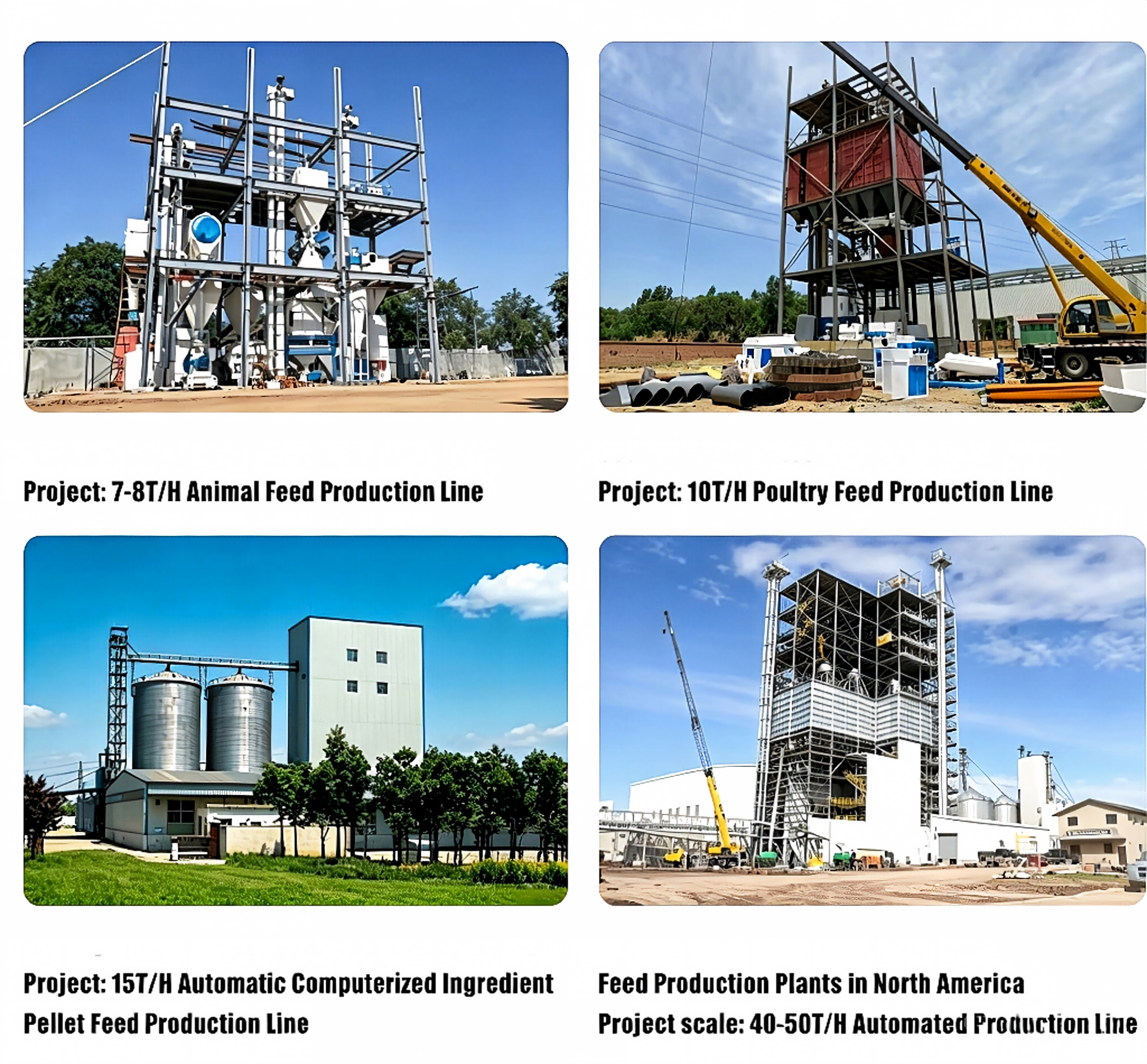
We do not merely supply a single machine – we deliver complete feed production solutions. Our turnkey service covers:
-
Capacity planning: from 1 TPH pilot lines to 100 TPH mega-plants
-
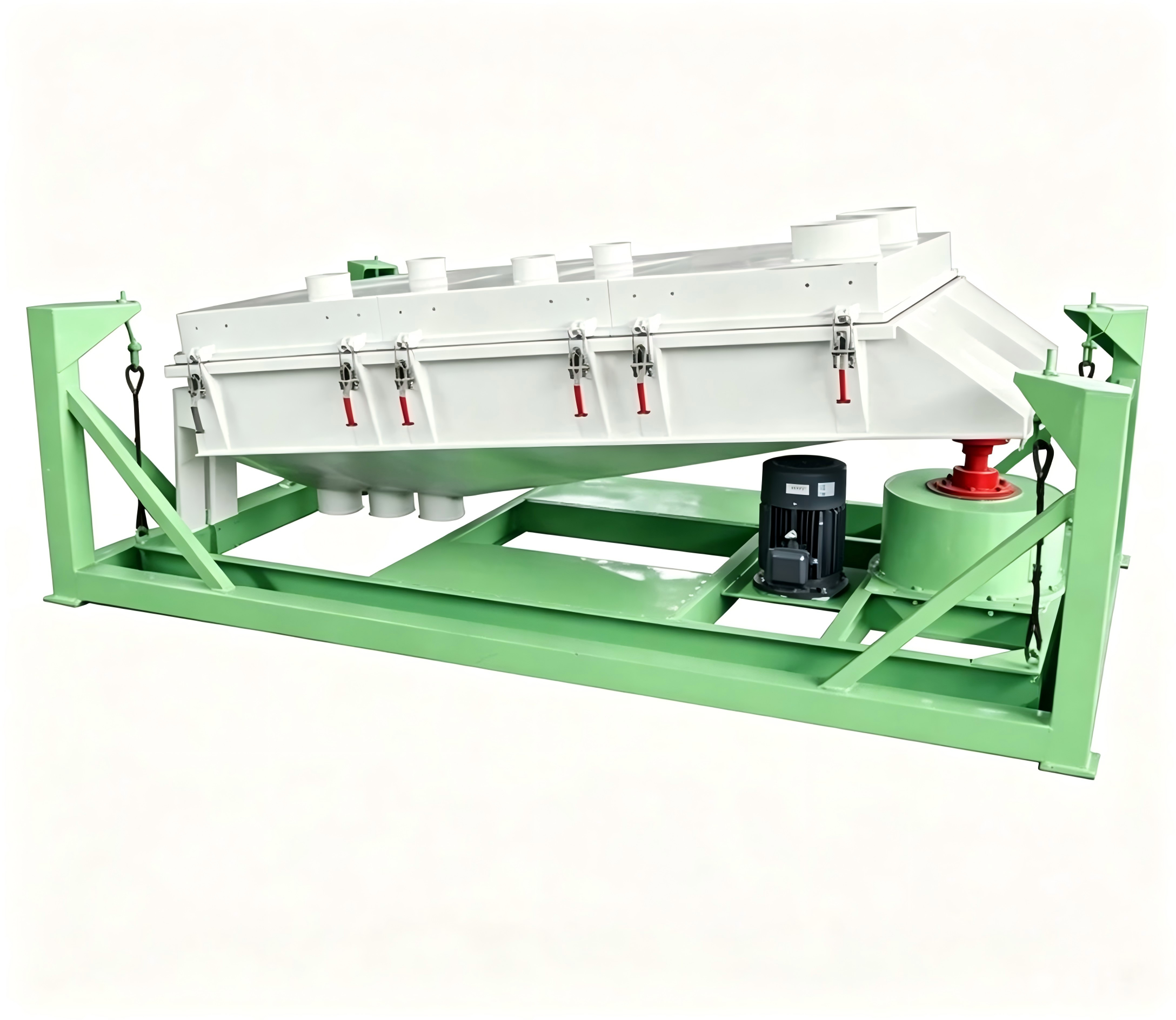
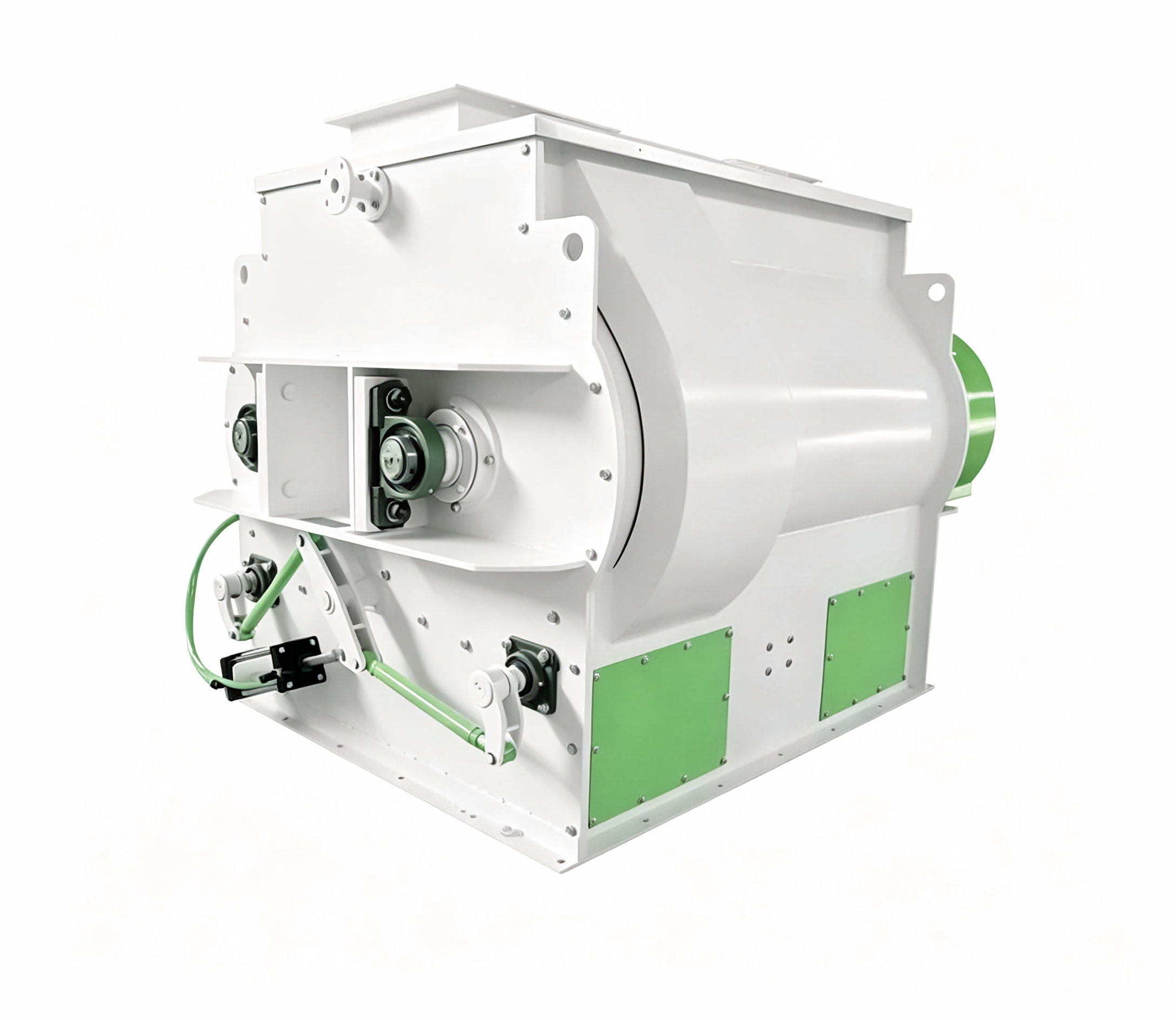
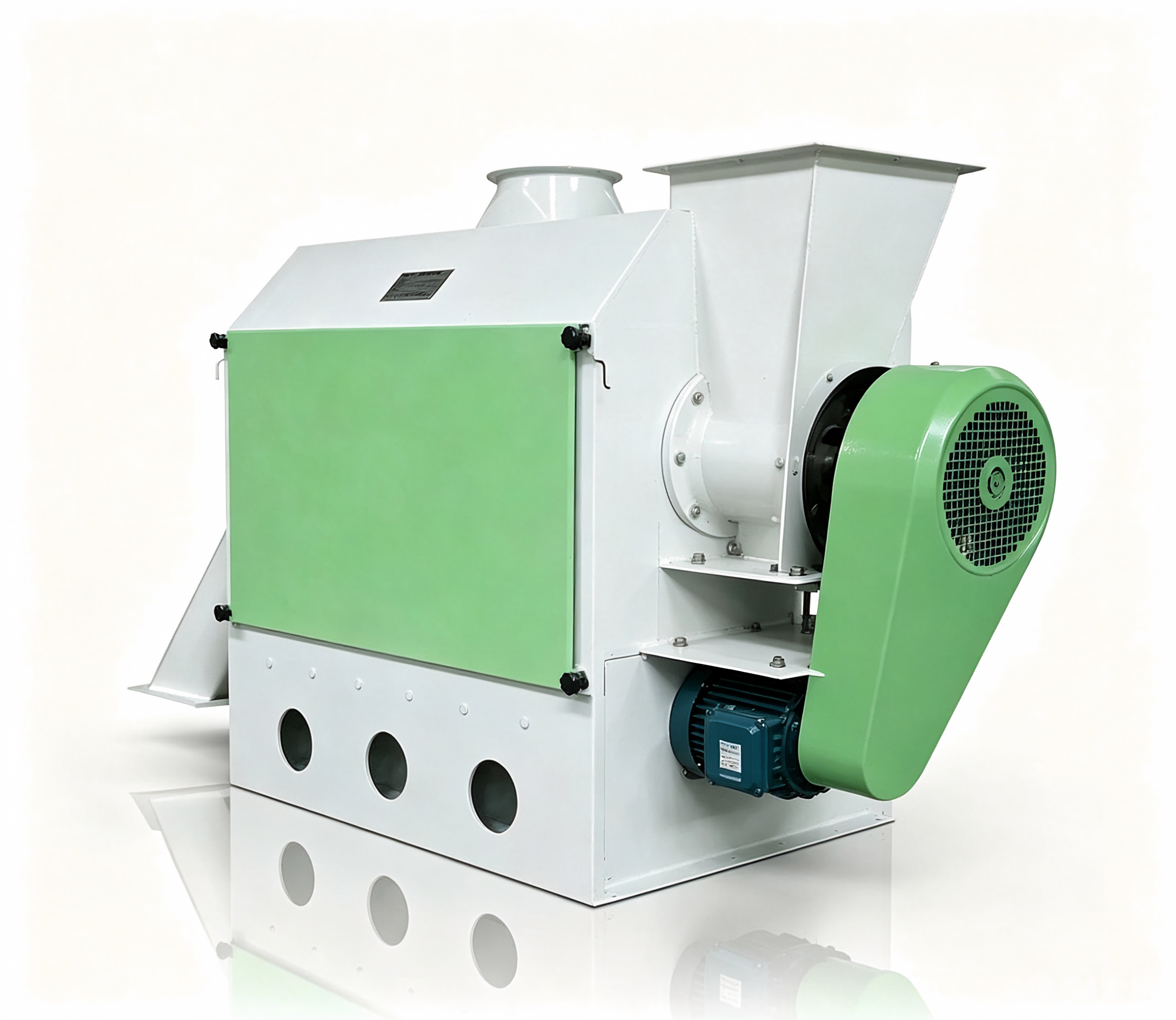
Process design: grinding → batching → mixing → conditioning → pelleting → cooling → crumbling → screening → packaging
-
Equipment selection: hammer mills, mixers, coolers, crumblers, screener, and conveying systems
-
Installation & commissioning: on-site supervision or remote guidance by our senior engineers
-
Operator training: comprehensive manuals and hands-on sessions to ensure your team runs the line independently
Whether you are building a new feed mill or upgrading an existing line, our engineering team customizes solutions to match your raw materials, target pellet size, and production capacity requirements.
Quality Assurance & Global Compliance
Every SYLH pellet mill undergoes a multi-stage factory inspection process, including:
-
Dynamic no-load and load testing
-
Vibration and noise measurement
-
Electrical safety verification
-
Dimensional and tolerance checks on all key mating parts
We source critical components – bearings, seals, gearboxes, and motors – from certified global suppliers to ensure interchangeability and long-term availability. Our products are designed to meet international export standards, ensuring seamless customs clearance and straightforward installation at your site, regardless of destination.
Applications
-
Poultry feed: broiler starter/grower/finisher, layer mash and pellets
-
Swine feed: piglet creep feed, grower, and sow rations
-
Ruminant feed: cattle and sheep compound pellets
-
Aquafeed: floating and sinking fish/shrimp pellets (with optional extrusion pre-treatment)
-
Biomass & organic fertilizer pellets (with customized die specifications)
FAQ
Q1: What is the difference between the SYLH 350 and smaller flat die pellet mills?
A: Flat die mills are designed for intermittent, small-batch production (50–500 kg/h) and light-duty use, making them suitable for home farms or trial runs. The SYLH 350, by contrast, is an industrial-grade ring die mill built for 24/7 continuous operation at 3–6 TPH. It features a gear-driven system that offers higher efficiency, lower maintenance, and much better pellet uniformity and durability.
Q2: What raw materials can this machine process?
A: The SYLH series handles a wide variety of feed ingredients, including corn, soybean meal, wheat bran, rice husk, grass meal, alfalfa, and various oilseed cakes. It can also process added liquids such as molasses or fats through the conditioner. For biomass or organic fertilizer applications, customized die specifications are available.
Q3: What pellet sizes can the machine produce?
A: The standard pellet size range is 2–12 mm in diameter. By simply changing the ring die with different hole diameters, you can produce pellets suited for poultry (2–4 mm), swine (3–5 mm), ruminants (4–8 mm), or aquatic species (1–3 mm for juvenile fish, up to 10 mm for adult fish). Die hole patterns and compression ratios can be customized based on your specific formulation.
Q4: What power supply options are available?
A: We offer motors configured for various voltage and frequency standards, including 380V/50Hz (European/Asian standard), 415V/50Hz (Australian/UK), 460V/60Hz (North American), and other regional specifications. Please specify your local power conditions when ordering, and we will match the motor accordingly.
Q5: How long does the ring die last, and how often should it be replaced?
A: Ring die service life depends on the abrasiveness of the raw materials and production volume. Under normal operation with grain-based feeds, a high-alloy steel ring die typically lasts 2,000–5,000 hours. We recommend routine inspection every 500 hours and immediate replacement when pellet quality declines or output drops noticeably. We maintain a global spare parts inventory to ensure quick delivery of replacement dies.
Q6: What maintenance is required for daily operation?
A: Daily maintenance includes checking lubrication levels, inspecting roller and die wear, cleaning magnetic separators to remove tramp metals, and verifying electrical parameters. Weekly maintenance involves greasing bearings, tightening fasteners, and inspecting the conditioner paddles. The machine is equipped with centralized lubrication points to simplify this process. A detailed maintenance schedule is provided in the user manual.
Q7: Do you provide installation and training support?
A: Yes. As part of our turnkey project solutions, we offer on-site installation supervision by our senior engineers, or remote guidance via video calls for experienced local teams. We also provide comprehensive operator training, including hands-on sessions covering start-up, shutdown, die change, troubleshooting, and routine maintenance. All training materials and manuals are supplied in digital and print formats.
Q8: What is the typical lead time for an SYLH 350 order?
A: Standard lead time is 30–45 days from order confirmation and deposit receipt, depending on the specific configuration and customization requirements. Larger models may require 45–60 days. We recommend contacting our sales team early to align delivery schedules with your project timeline.
Q9: Can the machine be integrated into an existing feed production line?
A: Absolutely. The SYLH series is designed with modular interfaces, making it compatible with upstream equipment such as hammer mills, mixers, and conveyors, as well as downstream equipment like coolers, crumblers, and screeners. Our engineering team can assess your existing layout and recommend seamless integration solutions.
Q10: How does the conditioner improve feed quality?
A: The stainless-steel conditioner injects steam and mixes it thoroughly with the feed meal, raising the material temperature to 70–90°C and moisture content to 15–18%. This heat-moisture treatment gelatinizes starches, denatures proteins, reduces bacterial load, and lubricates the feed for smoother extrusion through the die. The result is harder, more durable pellets with better digestibility and water stability – especially important for aquatic feeds.
Q11: What safety features are built into the machine?
A: Safety features include overload sensors that automatically shut down the main motor if current exceeds safe limits, emergency stop buttons located at multiple points around the machine, protective covers over all rotating parts, and interlocked electrical systems that prevent operation when access panels are open. The machine is designed in compliance with CE and ISO safety standards.
Q12: Is it possible to test the machine with my own raw materials before purchasing?
A: Yes. We offer material testing services at our factory facility. You can send us samples of your raw materials, and we will run pelleting trials to determine optimal conditioning parameters, die specifications, and expected output quality. We can also provide video recordings of the test process for your review.